



Urban living doesn’t mean giving up on fresh, homegrown produce. With just a little creativity and planning, you can transform even the tiniest balcony, patio, or windowsill into a productive garden. Whether you’re short on space, time, or experience, this guide will show you how to grow more with less.
Why Urban Gardening Matters


In cities where green space is limited, urban gardening empowers people to take control of their food supply. It’s not just about saving money or having fresh herbs at your fingertips — it’s also a way to reduce your carbon footprint, relieve stress, and reconnect with nature.
Start Small: Choose the Right Plants
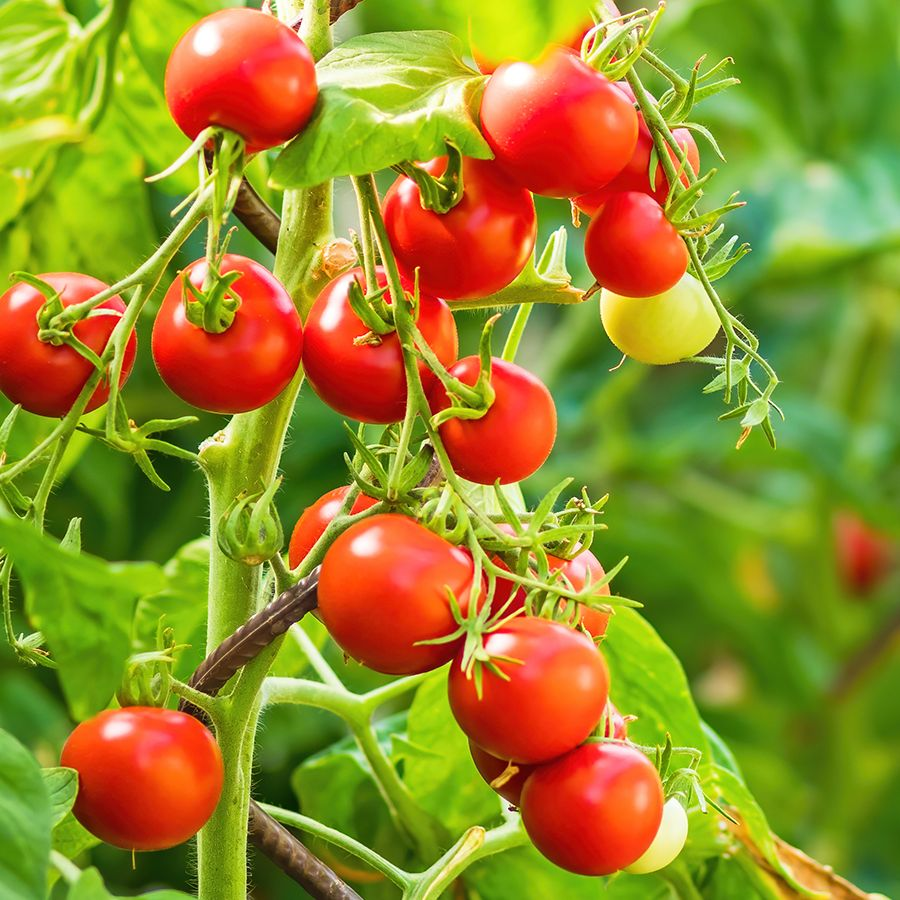

Begin with crops that thrive in containers and require minimal maintenance. Great options include:
- Cherry tomatoes
- Lettuce and leafy greens
- Herbs like basil, mint, and parsley
- Radishes
These plants grow quickly, don’t need deep soil, and are perfect for beginners.
Make the Most of Vertical Space
When square footage is limited, think vertical. Install shelves, use hanging baskets, or try wall-mounted planters. Climbing plants like beans,
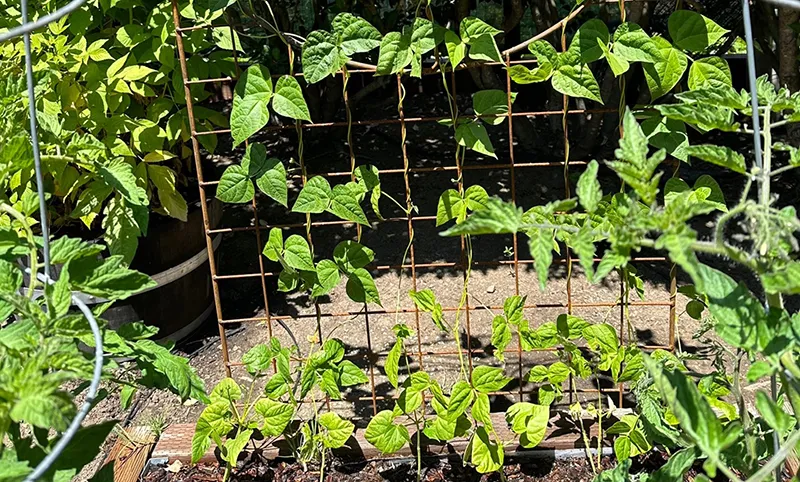

cucumbers, and even some squash varieties can be trained to grow upward with the help of a trellis.
Use Smart Containers and Soil
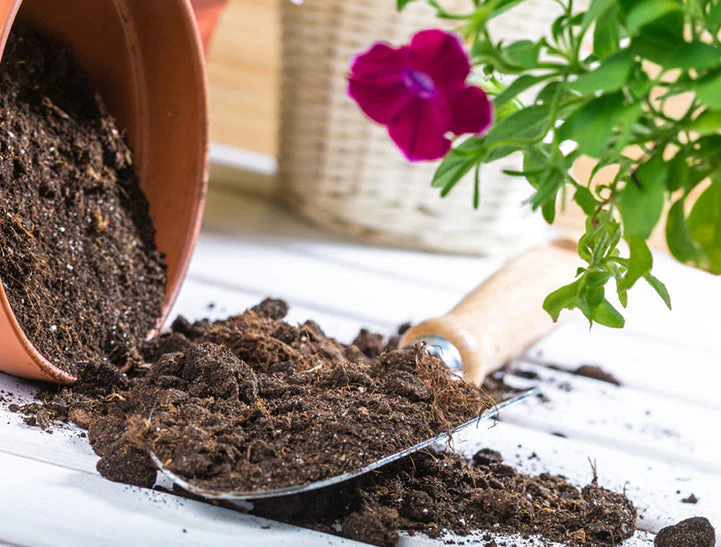
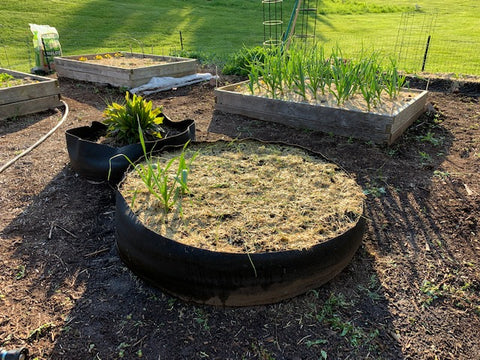
Not all containers are created equal. Opt for pots with proper drainage and use lightweight, nutrient-rich potting mix instead of garden soil. To save space, try multi-level planters or stackable garden systems that maximize your growing area.
Light Is Everything


Sunlight is a key ingredient in a successful small-space garden. Most vegetables need 6–8 hours of sun per day. If your space doesn’t get enough natural light, consider using affordable grow lights. They’re energy-efficient and perfect for balconies or indoor setups.
Water Wisely
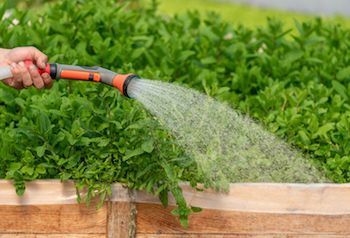
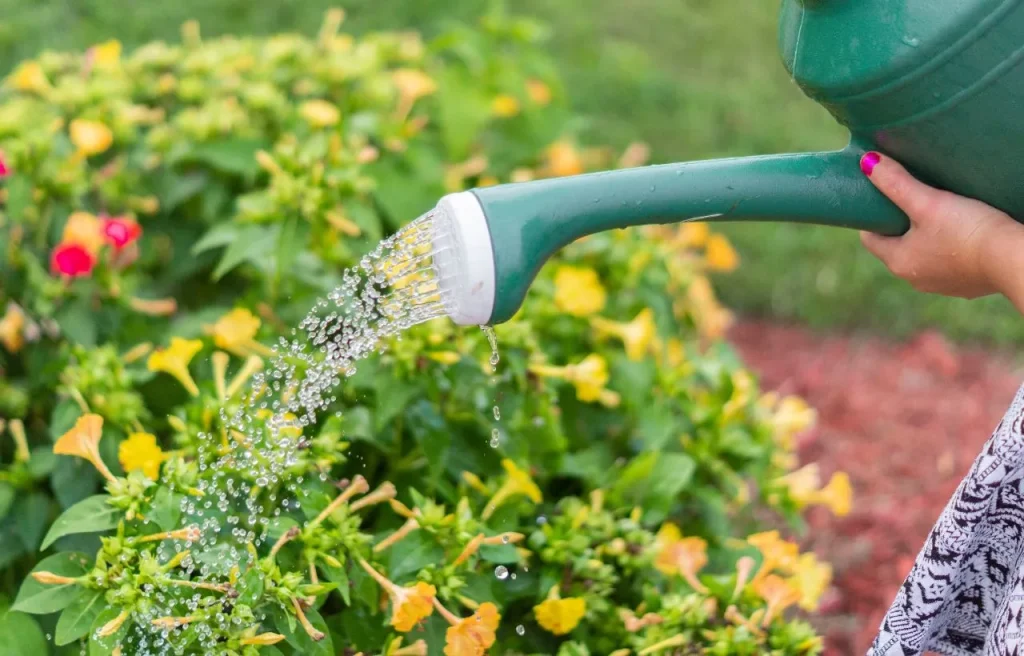

Small containers dry out faster, so consistent watering is essential. Use self-watering pots or place trays underneath to catch runoff. Morning watering helps plants stay hydrated throughout the day while reducing the risk of mildew and pests.
Compost in Small Spaces
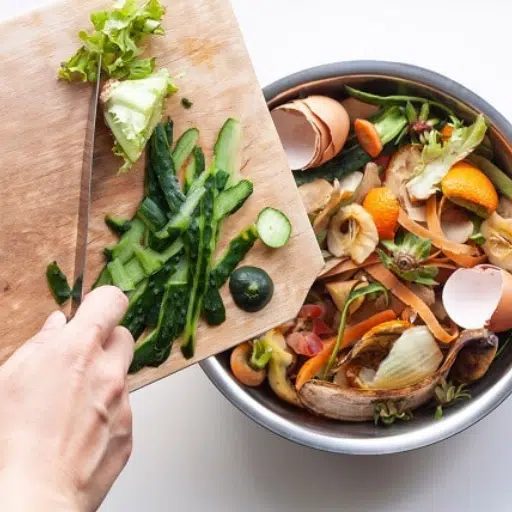

Even in an apartment, you can compost kitchen scraps. Try a countertop compost bin or a small worm composting system (vermicomposting). This keeps waste out of landfills and creates rich, organic fertilizer for your plants.
Add a Personal Touch
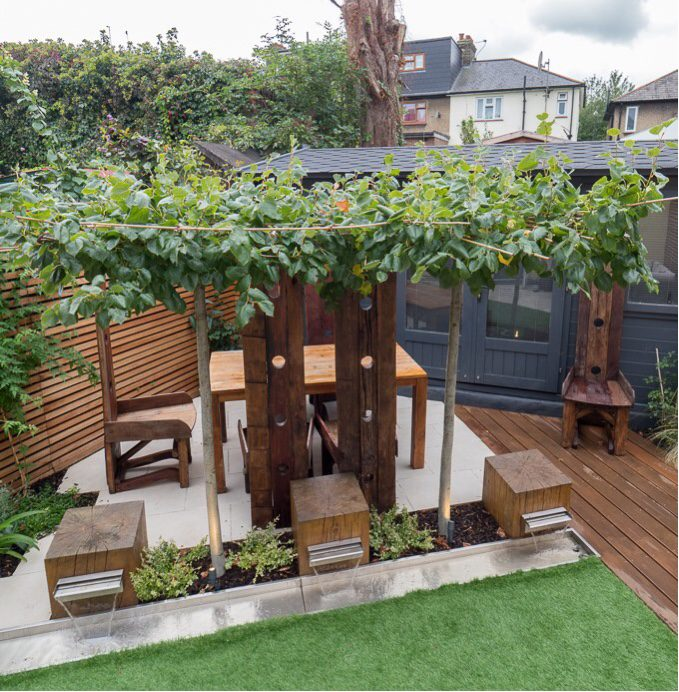

Your garden should be functional, but it can also be beautiful. Mix in some flowers for color, use decorative pots, or create a cozy corner with a chair and some string lights. The more inviting your space feels, the more likely you are to tend to it regularly.
Final Thoughts
Urban gardening proves that you don’t need acres of land to grow your own food. With a little effort and smart planning, your small space can deliver big rewards. Whether you’re growing herbs on a windowsill or harvesting tomatoes on a rooftop, the joy of gardening is well within reach — no backyard required.
This article is for informational purposes only and is not intended as professional gardening or environmental advice. Always research your local climate and plant needs before starting a garden.
#UrbanGardening #SmallSpaceGardening #GrowYourOwnFood #HomeGarden #CityGarden #BalconyGarden #SustainableLiving #GreenThumb #GardenLife #EcoFriendlyLiving #Carrerbook #Anslation

Leave a Reply