



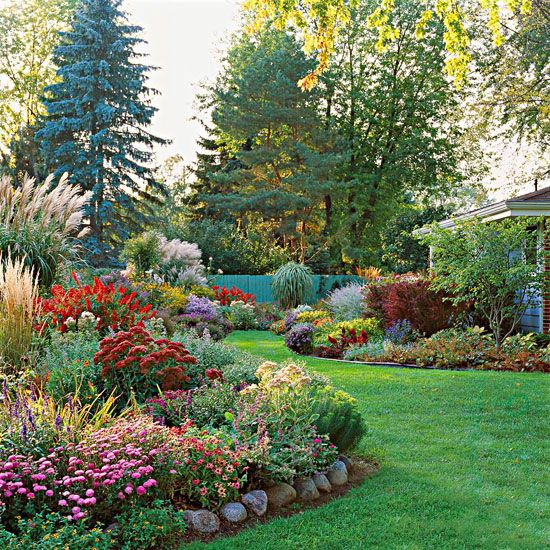
Starting a garden from scratch can be exciting and rewarding. Whether you are growing vegetables, herbs, or flowers, understanding the basics of plant care is key to turning a handful of seeds into a thriving green space. This guide shares a simple, proven formula to help you achieve consistent garden growth from the very beginning.
1. Choose the Right Seeds for Your Climate


Every successful garden starts with choosing the right seeds. Consider your local weather, sunlight levels, and soil conditions before planting.
- Warm-season plants like tomatoes and peppers grow best in full sunlight.
- Cool-season crops such as lettuce and spinach prefer cooler temperatures.
Read the seed packet carefully or ask for advice at your local garden center. Selecting the right varieties ensures your plants start strong and adapt well to your environment.
2. Prepare Nutrient-Rich Soil


Healthy soil is the foundation of a thriving garden. Loose, well-draining soil allows roots to grow easily and absorb nutrients efficiently.
Mix compost or aged manure into the soil before planting to add natural nutrients. Test the soil texture by squeezing a small handful. If it crumbles easily, it’s ready. If it stays clumped, mix in sand or more compost to improve drainage and texture.
3. Plant at the Right Time and Depth
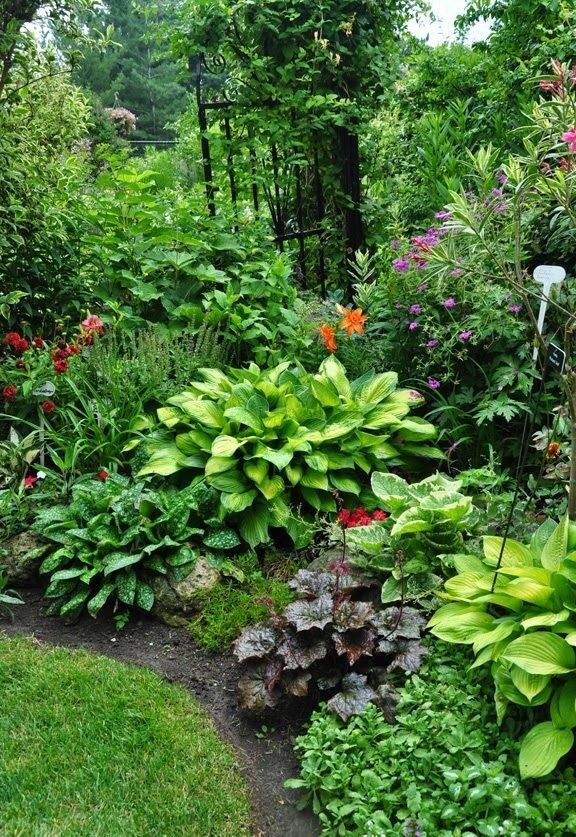


Planting too early or too late can affect germination and growth. Check your region’s planting calendar or the frost dates for guidance.
Follow the seed packet’s instructions for planting depth and spacing. Crowded plants struggle for sunlight, nutrients, and water, which weakens their growth.
After planting, water gently to help the seeds settle without being washed away.
4. Water Wisely and Consistently
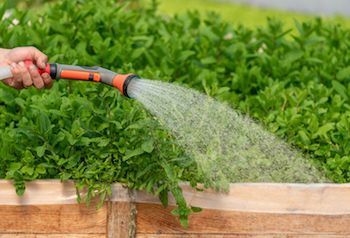
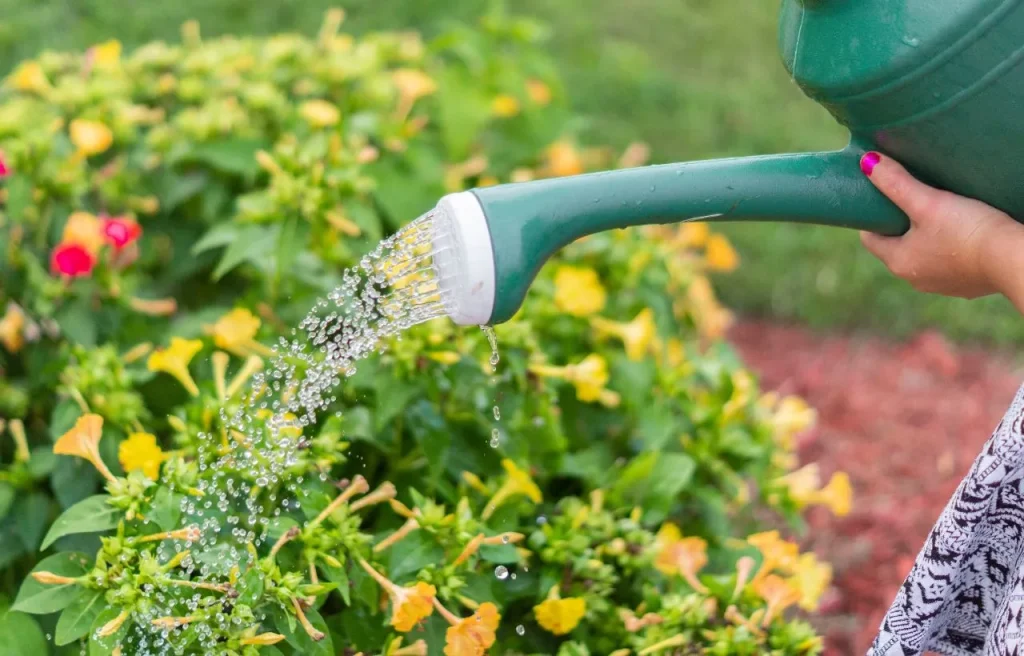

Water is essential, but balance is key. Overwatering can drown roots, while underwatering stresses plants.
Water deeply once or twice a week instead of light daily watering. This helps roots grow stronger and deeper. Water early in the morning to minimize evaporation and fungal growth.
A drip irrigation system or soaker hose can make watering more efficient and consistent.
5. Feed Your Plants Regularly
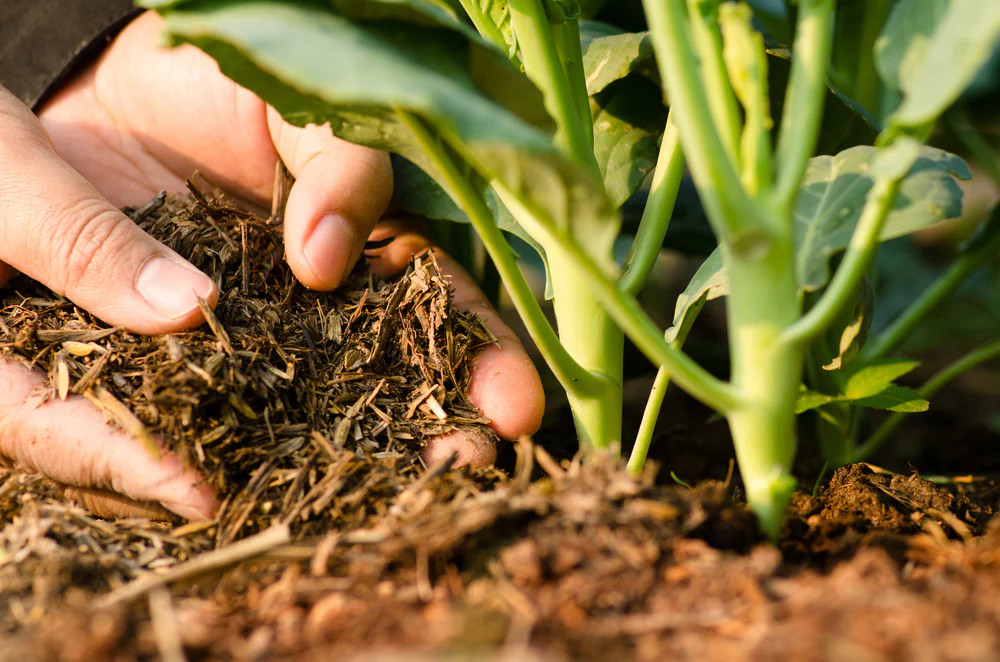
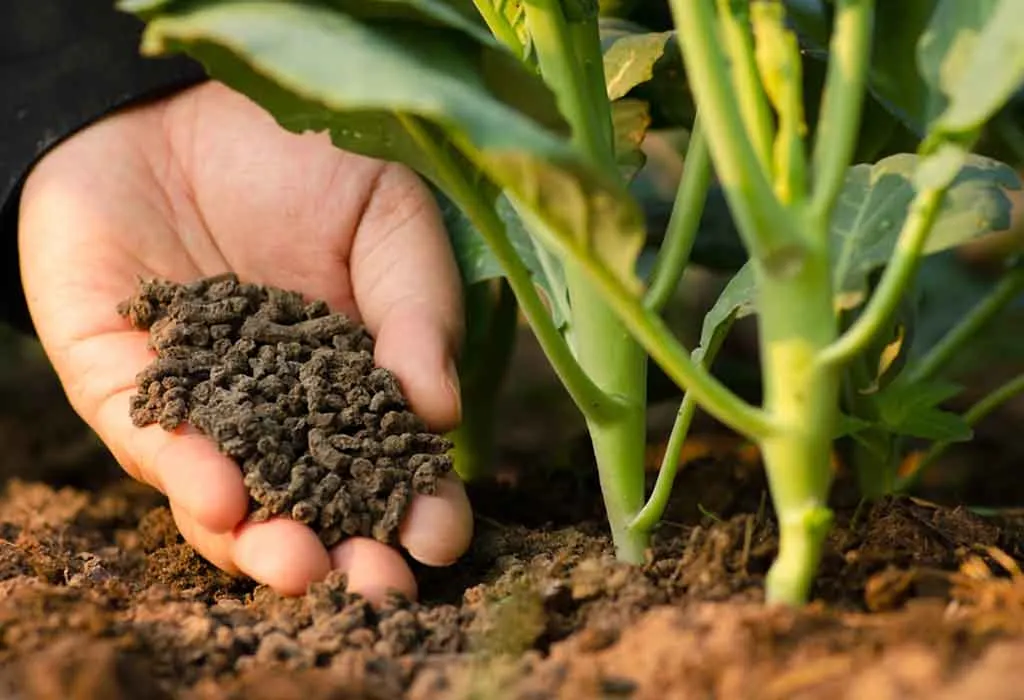
Even the best soil loses nutrients over time. Feed your plants every few weeks with organic fertilizer or compost tea.
Use a balanced fertilizer with nitrogen for leaves, phosphorus for roots, and potassium for overall plant strength. Adjust the mix depending on what you’re growing. For example, leafy vegetables need more nitrogen, while flowering plants benefit from extra phosphorus.
6. Protect Against Pests Naturally


Pests can appear at any time, but you can manage them without chemicals. Inspect your plants regularly for signs of damage like holes or discoloration.
Encourage helpful insects such as ladybugs and bees, which naturally control harmful pests. A homemade solution of water, mild soap, and neem oil can also help keep insects away safely.
7. Be Patient and Stay Consistent



Gardening requires patience and consistency. Seeds take time to sprout, and plants need regular care to thrive.
Spend a few minutes each day checking soil moisture, pulling weeds, and enjoying your garden’s progress. With steady attention, small efforts will lead to big rewards.
Final Thoughts
A thriving garden is built on simple habits: choosing the right seeds, caring for your soil, watering properly, and staying consistent. With the right approach and a bit of patience, you can achieve 100% growth success in your garden and enjoy the satisfaction of nurturing life from seed to harvest.
This content is for educational and informational purposes only. Always follow local gardening guidelines and product instructions when using fertilizers or pest-control methods.
#GardeningTips #HomeGarden #OrganicGrowth #GardenSuccess #PlantCare #GrowFromSeed #Anslation #Carrerbook

Leave a Reply